

HUMAN CENTRED TECHNOLOGY – PT 2
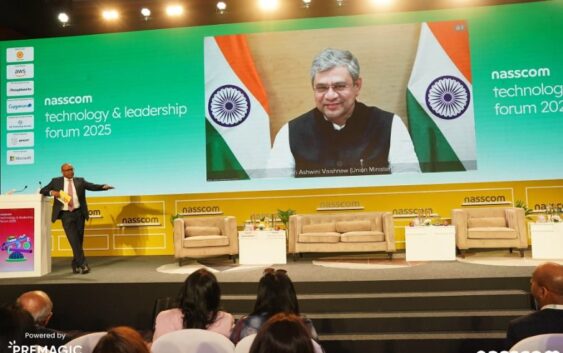
As technology accelerates, the real question isn’t just *what* we’re building—but *why*. The 33rd NTLF champions a **Tech-driven, Human-centered** vision—where innovation serves people, not the other way around. It’s about shaping progress with purpose, ensuring every breakthrough uplifts, includes, and empowers.
NTLF 2025 packed 50+ sessions, 100+ speakers, and 1600+ leaders into two high-energy days—think of it as a masterclass in strategic disruption, that one insight that shifts your entire perspective. Delegates challenged assumptions, sparked bold ideas, and found breakthroughs where you least expect them.
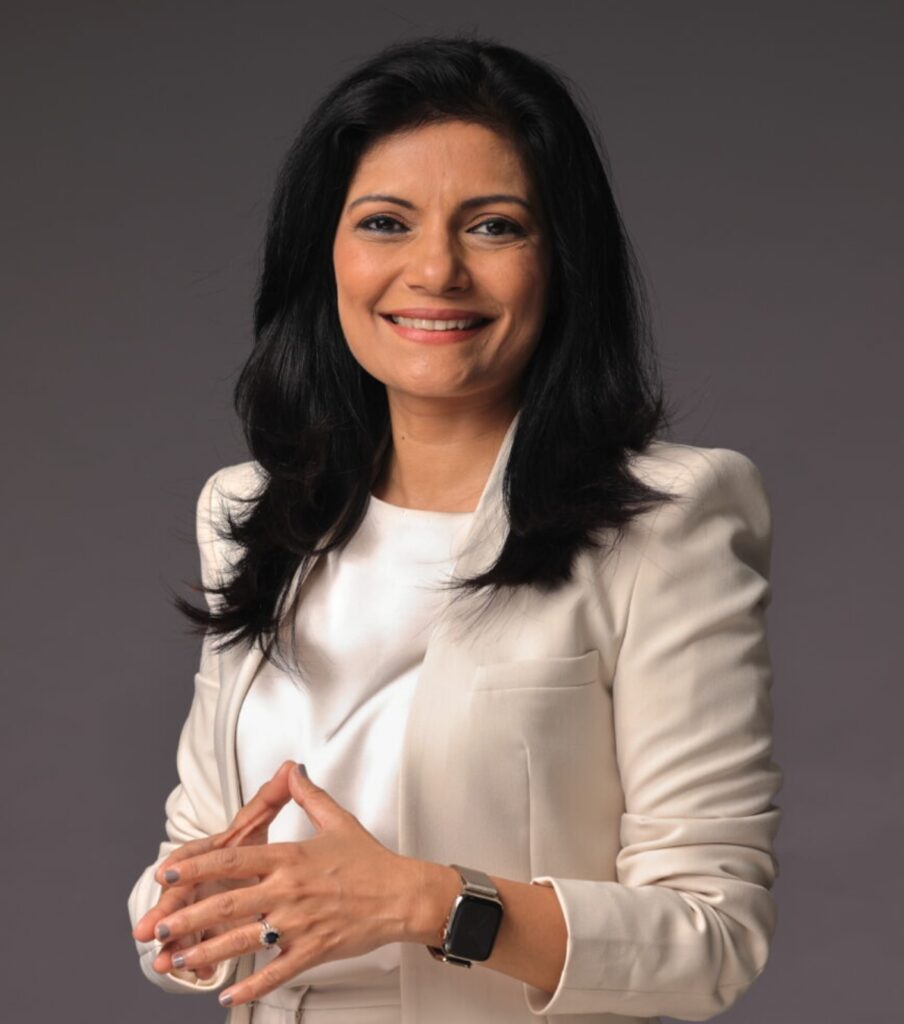
In her Chairperson’s Address at the 33rd NASSCOM Technology and Leadership Forum (NTLF) 2025, Sindhu Gangadharan articulated a vision for a “Tech-Driven, Human-Centered” future, emphasizing purpose-led technology to enhance human potential and challenging fears of job displacement by AI.
She highlighted India’s strategic shift toward becoming a global product hub supported by Digital Public Infrastructure and discussed the emergence of “Agentic AI,” the importance of responsible scaling, and domestic tech growth focusing on a “skills-first” approach. The “Tech for Humans” theme was built on pillars including Innovation X, the Intelligent Leader, Inclusive Inclusivity, and Sustainability & Ethics.
During an NTLF 2025 fireside chat – The Enterprise Lens: Financial Services Reimagined: Are We Ready for a World of Apps, Agents, and Deepfakes?, Piyush Gupta, CEO of DBS Group, and Sindhu Gangadharan, Chairperson of Nasscom, discussed AI’s transition from a luxury to a defensive necessity in financial services. Gupta highlighted the paradox of increased efficiency alongside the erosion of traditional trust due to threats like deepfakes and projected a potential reduction of 4,000 jobs at DBS due to AI advancements over three years.
The discussion emphasized that readiness for a world of apps, agents, and deepfakes depends on shifting from passive mobile apps to autonomous AI agents, adopting deepfake defense mechanisms like Zero-Trust frameworks, and establishing robust governance and ethical guidelines.
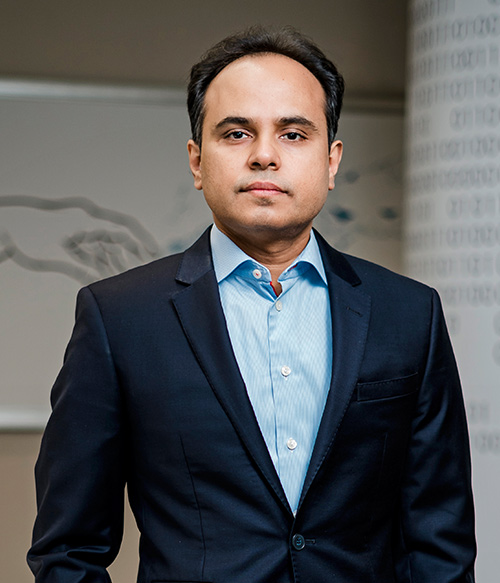
During the NASSCOM Technology and Leadership Forum (NTLF) 2025, the panel session “Agentic AI: Balancing Risks and Rewards in the Era of Autonomous Intelligence” addressed the transition of AI from simple human-assisted tools to autonomous agents capable of independent decision-making.
Srikanth Velamakanni (Vice Chairperson, NASSCOM; Co-founder & Group CEO, Fractal): Highlighted that “Agentic AI” will act as digital co-workers capable of reasoning and self-correction. He stressed that the greatest challenge is translating “AI excitement” into actual enterprise performance by integrating models into existing landscapes with the right datasets. He also advocated for a human-centric future where technology serves to unlock human potential.
As AI evolves into agents, it brings immense potential for innovation and efficiency but also raises critical concerns about control, ethics, and unintended consequences.
Autonomy vs. Accountability: Ensuring responsible AI behaviour in autonomous systems.
Trust and Transparency: Building systems that are explainable, fair, and aligned with human values.
Opportunities Ahead: Unlocking Agentic AI’s transformative potential in industries like healthcare, finance, and mobility.
Risk Mitigation: Preparing for challenges such as bias, misuse, and loss of control.
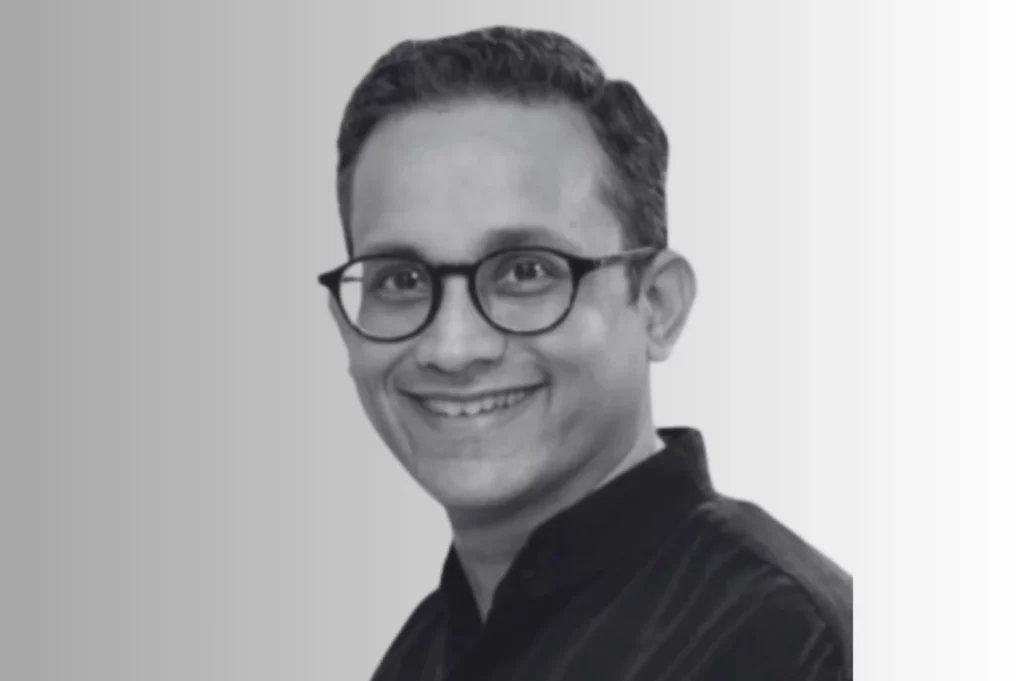
Senthil Ramani (Global Lead, Data & AI, Accenture): Discussed the declining marginal cost of action and intelligence as a catalyst for AI adoption. He argued that responsible AI should not just be about ethics but must integrate purpose and profit, framing it as a growth agenda. He emphasized the need for dynamic, real-time workflows and end-to-end guardrails that start from data sourcing.
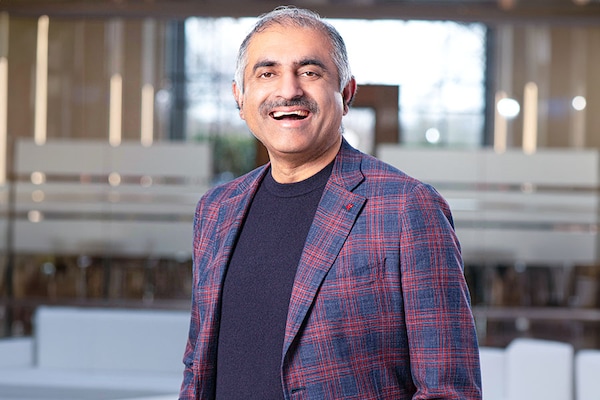
Nitin Seth (Co-Founder & CEO, Incedo Inc.): Focused on the shift from ideas to structured execution. He noted that scaling AI pilots requires a disciplined approach and that while investors are eager to back agentic AI, they require clear execution roadmaps to mitigate risks.

At the nasscom Technology and Leadership Forum (NTLF) 2025, Dr. James McQuivey, VP and Research Director at Forrester, detailed a fundamental shift in market power toward the “smart customer.”
Key Takeaways from “The Smart-Customer Revolution”
The Paradox of Power vs. Loyalty: Digital tools, specifically Generative AI, have made customers “smarter” by helping them maximize time and money. However, as customers gain more power, their brand loyalty is decreasing because they can easily find comparable alternatives.
From Providers to Provisioners: Dr. McQuivey argued that loyalty is shifting away from specific products and providers toward “provisioners”—companies that act as reliable facilitators to ensure customers get the right product at exactly the right time.
The Move to Anticipatory Experiences: Customer experience is evolving from a reactionary model (solving problems after they happen) to an anticipatory one (predicting needs before the customer expresses them).
Three Phases of Anticipatory Experience: The session defined three distinct phases that businesses must navigate to successfully deliver these experiences and earn future loyalty.
The Role of Gen AI: Generative AI is described as the most rapidly iterated and widely deployed tool in history, enabling tasks that were previously impossible for humans to perform alone.
Strategic Implications for Businesses
To retain these “smart customers,” companies must focus on instant value and emotional connections. This includes moving toward “experiential loyalty” and making rewards feel like digital cash that can be used immediately.
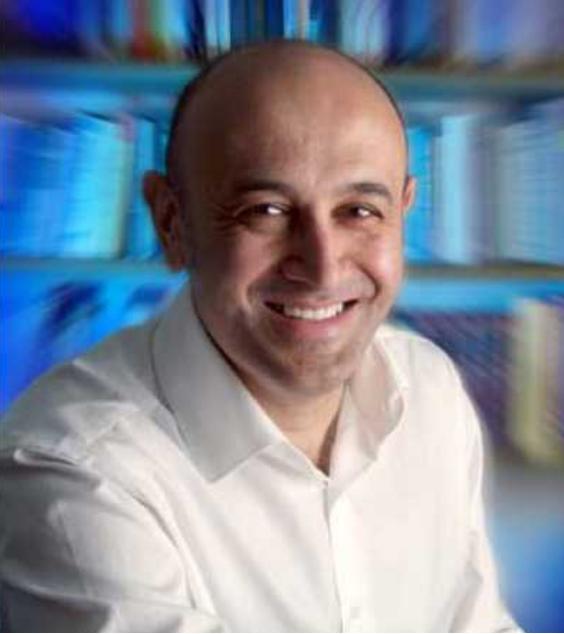
Prof. Jim Al-Khalili delivered a keynote titled “The Invisible Threat: What Will Quantum Tech Mean for Cyber Security?”.
His address highlighted that cybersecurity is on the brink of a “seismic shift” as quantum computing advances. He emphasized that the “quantum era is already here” and that today’s encryption methods—the bedrock of our digital economy—could soon become obsolete.
Key Takeaways from Prof. Jim Al-Khalili’s KeynoteUrgency of Preparation:
Prof. Al-Khalili stressed that “preparation is key” because quantum computing poses an immediate and existential risk to traditional encryption.
The Demise of Current Standards: Public-key encryption (like RSA and ECC) relies on mathematical problems that are currently difficult for classical computers but can be solved rapidly by quantum systems using Shor’s algorithm.”
Harvest Now, Decrypt Later”: A critical threat involves bad actors collecting encrypted data today to decrypt it once quantum technology matures, making current security measures a delayed liability.
Evolution of Security Strategies: Organizations must shift toward Post-Quantum Cryptography (PQC) to safeguard data integrity.
Quantum as a Solution: While a threat, “Quantum 2.0” also offers opportunities, such as Quantum Key Distribution (QKD) and entanglement-based encryption to create nearly “unbreakable” security.
Quantum-Safe Roadmap: Businesses and governments must audit existing protocols, adopt “crypto agility” (the ability to switch encryption methods quickly), and invest in training a quantum-savvy workforce.
To prepare for the quantum era, organizations should start by performing a thorough quantum-readiness assessment to pinpoint exactly which sensitive data is most at risk of future decryption.
From there, it’s about modernizing infrastructure—phasing in Post-Quantum Cryptography (PQC) standards immediately, with a clear priority on protecting high-value, long-term information.
Finally, rather than working in isolation, businesses should collaborate and invest by partnering with quantum-tech specialists to pilot new security frameworks and ensure they remain compliant with rapidly shifting global certifications.
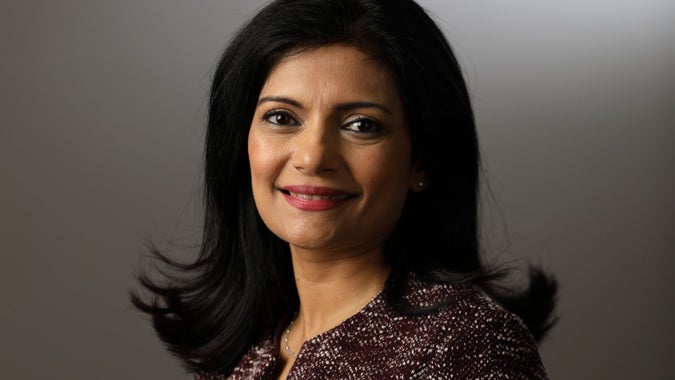
At the nasscom Technology & Leadership Forum (NTLF) 2025 session “Women Leading the Charge in Emerging Tech,” speakers highlighted that diversity is a strategic necessity for the “Intelligence Age” and women are pivotal in defining how emerging technologies serve humanity. The session focused on actionable steps and the need for women at the helm to prevent AI from inheriting systemic biases.
Key perspectives included Sindhu Gangadharan’s emphasis on human-centered innovation and equitable power for women in tech. Sindhu highlighted diversity’s critical role in driving innovation in areas like AI, blockchain, and quantum computing.
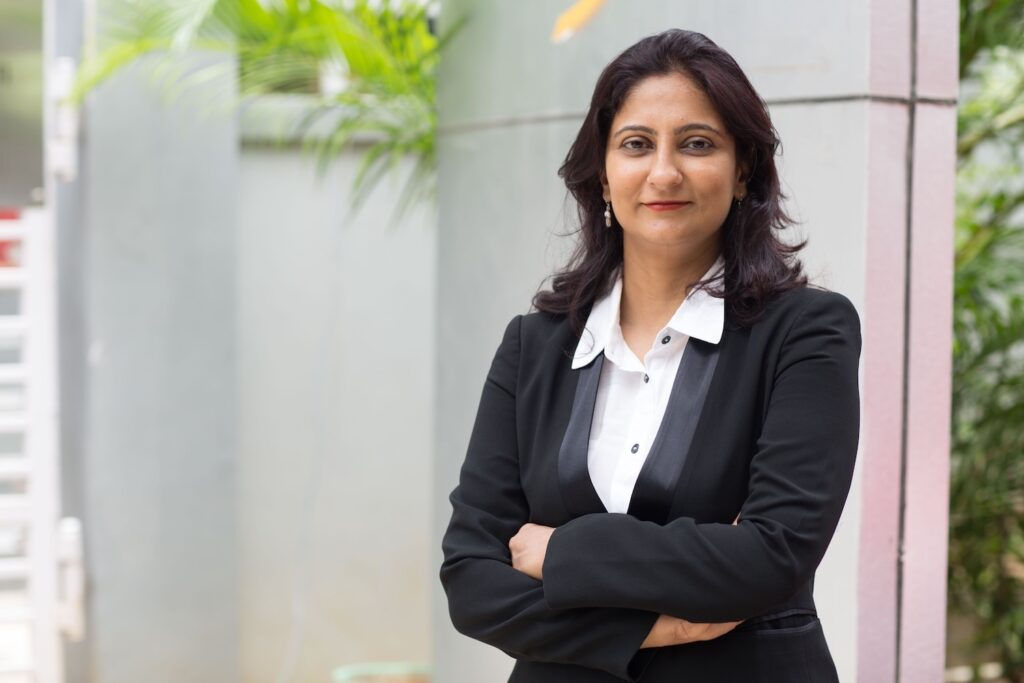
Anu Acharya’s focus on women leading in data and biology intersections and bridging innovation gaps. Key observations included the need for tangible impact over quotas, the integration of human intelligence in Industry 5.0, bridging the gender gap in AI to avoid bias, and building supportive ecosystems for women in leadership.

Barbara Frei’s discussion on human-machine synergy and technology’s global impact. Artificial Intelligence is poised to power the upcoming industrial transformation, reshaping manufacturing in ways that extend far beyond simple automation. At the heart of Industry 5.0 lie AI-enabled systems that distinguish this era from Industry 4.0 through their fusion of human expertise with cutting-edge technologies including AI, robotics, and open automation platforms.

Ratnaprabha Manickavachagam’s points on AI governance, inclusive recruitment in fintech, and women leading ethical shifts. Ratnaprabha stressed the urgency for women to lead in AI governance and fintech, advocating for sponsorship into high-level roles.
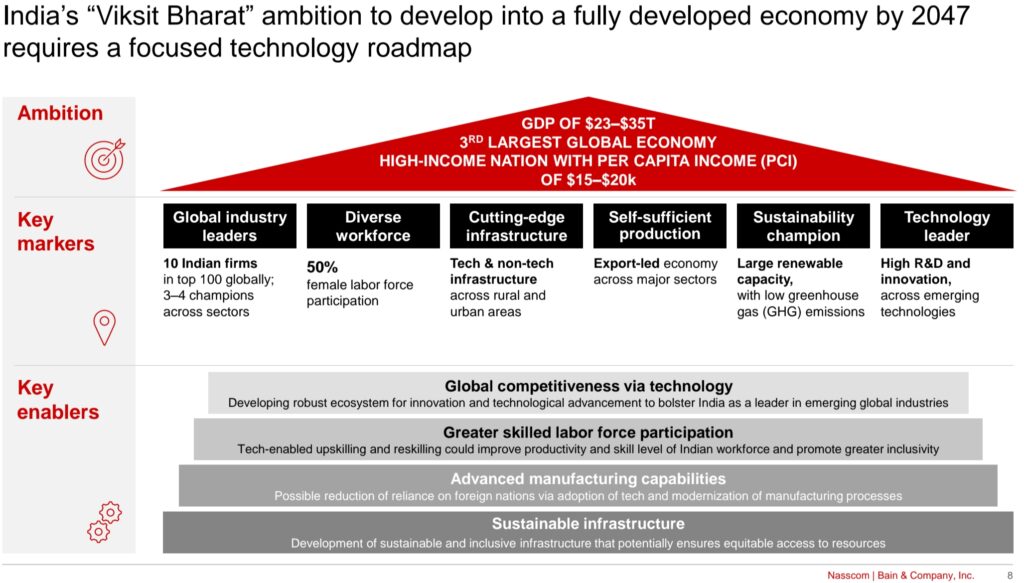
The Bain & Company and NASSCOM report, India @2047: Transforming India into a Tech-Driven Economy, presents a comprehensive strategy centered on electronics and services industries. This blueprint supports India’s goal of reaching a $23-35 trillion GDP while building a technology-powered economic framework.
The report maps out how India can evolve into a high-income, developed nation by 2047 with an economy valued at approximately $23-35 trillion. Realizing this ambition demands consistent yearly expansion of 8-10% alongside fundamental changes across industries, technological progress, and labor force development. A pivotal transformation involves India shifting from its current position as a net importer to becoming a globally competitive, export-oriented economy, especially in strategic sectors like electronics, chemicals, and energy.
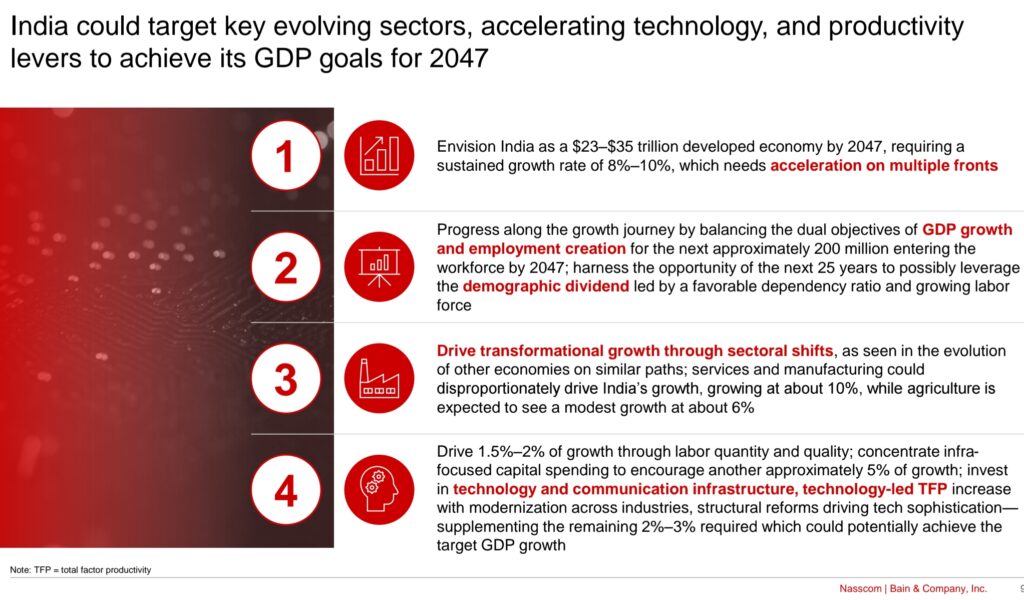
The report pinpoints five critical sectors—electronics, energy, chemicals, automotive, and services—as primary drivers of strategic expansion, selected for their compatibility with worldwide developments and capacity for growth. These areas are well-suited to tackle India’s distinct opportunities and obstacles. By 2047, these industries could deliver substantial economic contributions. Services may represent roughly 60% of GDP, while manufacturing progress could establish India as an international center of excellence.
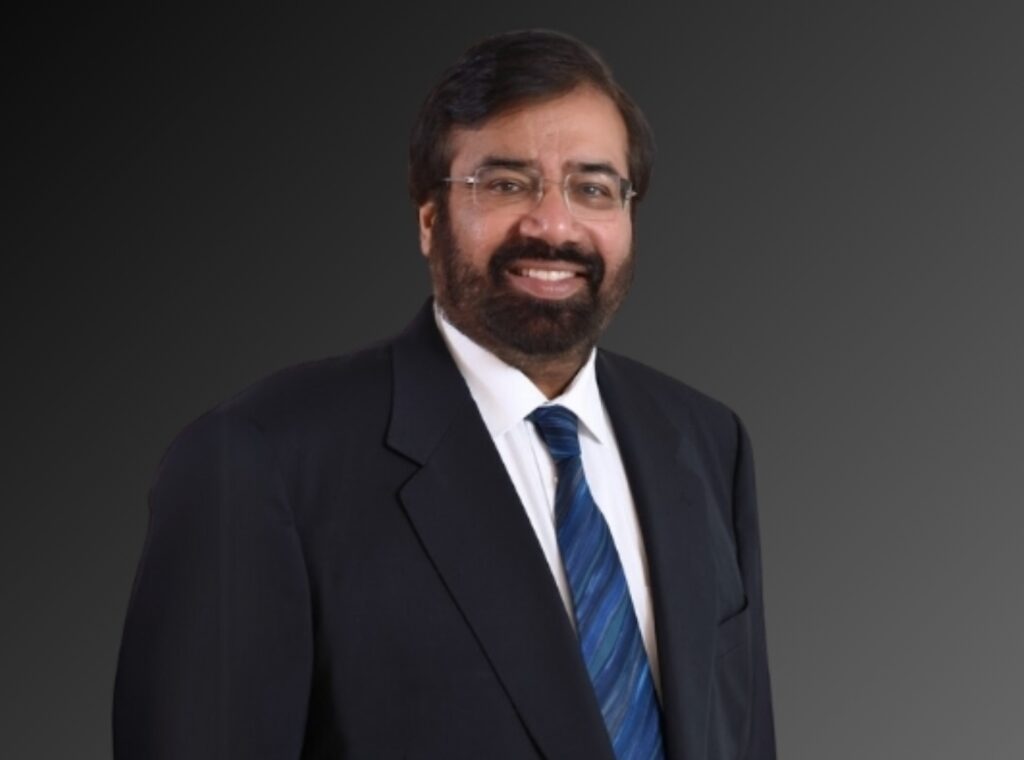
The industry leaders – Harsh Goenka, Lokesh Payik, Rajeev Sonthalia, Savita Pai, Vijay Ratnaparkhe, discussed the strategic roadmap for India to become a $23–35 trillion economy by 2047. The session focused on the joint Bain & Company and nasscom report, which identifies five high-impact sectors—electronics, energy, chemicals, automotive, and services—as the primary engines for this growth.
Harsh Goenka highlighted the digital transformation of the chemical industry, emphasizing how technology like AI-powered molecular design and digital twins can move the sector beyond basic automation to enhance R&D efficiency and global competitiveness.
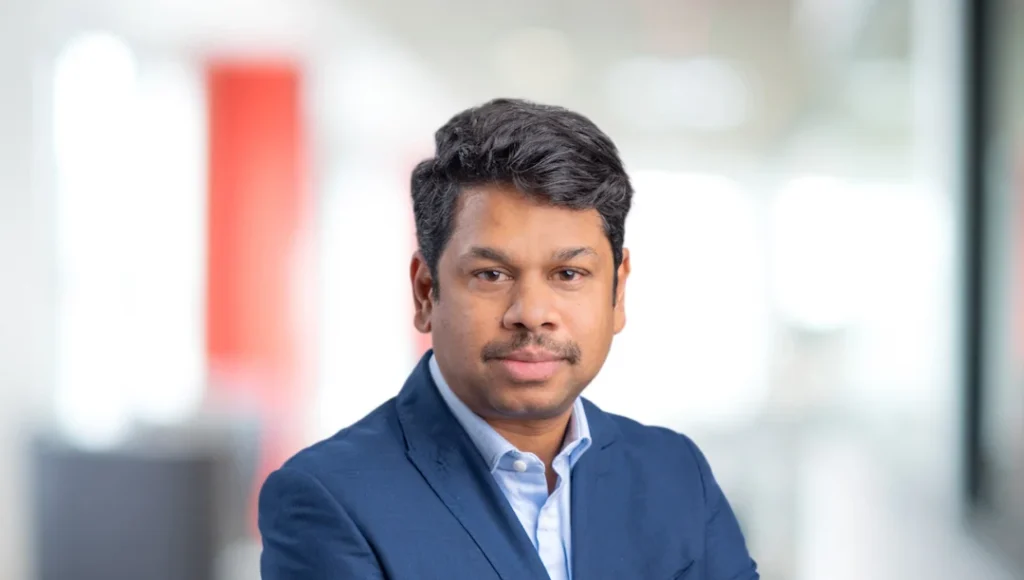
Lokesh Payik (Partner, Bain & Company): Stressed that India must transition from a net importer to a globally competitive, export-driven economy. He identified electronics as a critical hub, projecting it to become a $3.5 trillion sector by 2047, contributing over 20% to global production.
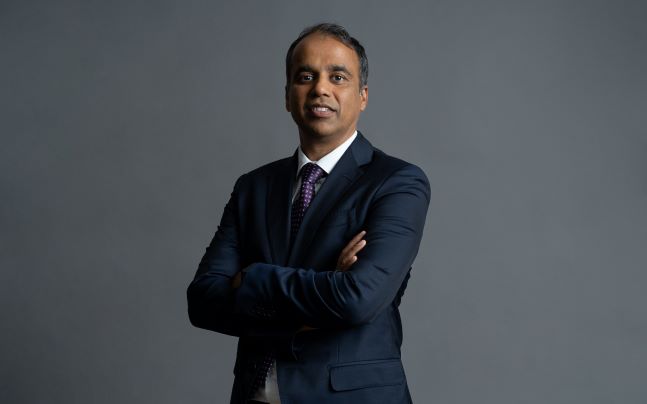
Rajeev Sonthalia (Business Director, Aditya Birla Group): Explored B2B e-commerce and strategic initiatives as levers for industrial growth, aligning with the report’s focus on tech-enabled innovation across manufacturing and services.
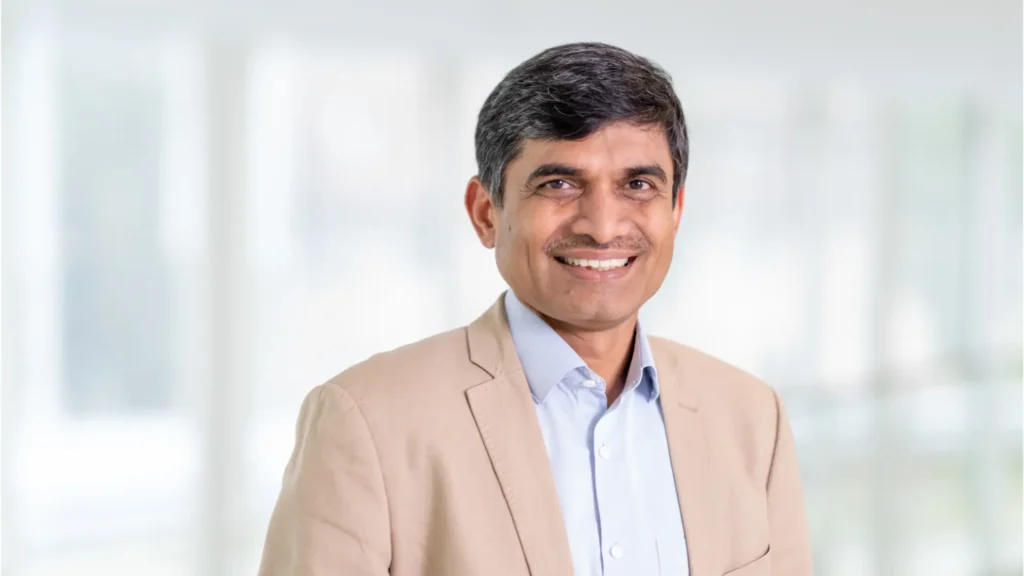
Vijay Ratnaparkhe (President, Bosch Southeast Asia): Discussed the automotive sector’s roadmap, focusing on electrification, advanced EV batteries, and autonomous technologies to establish India as a global hub for smart mobility solutions.

Savita Pai (Director, Cisco India & SAARC): Focused on the role of robust digital infrastructure (like cloud computing and IoT) and high-value service clusters in Tier 2 and Tier 3 cities to foster inclusivity and global leadership in digital transformation.
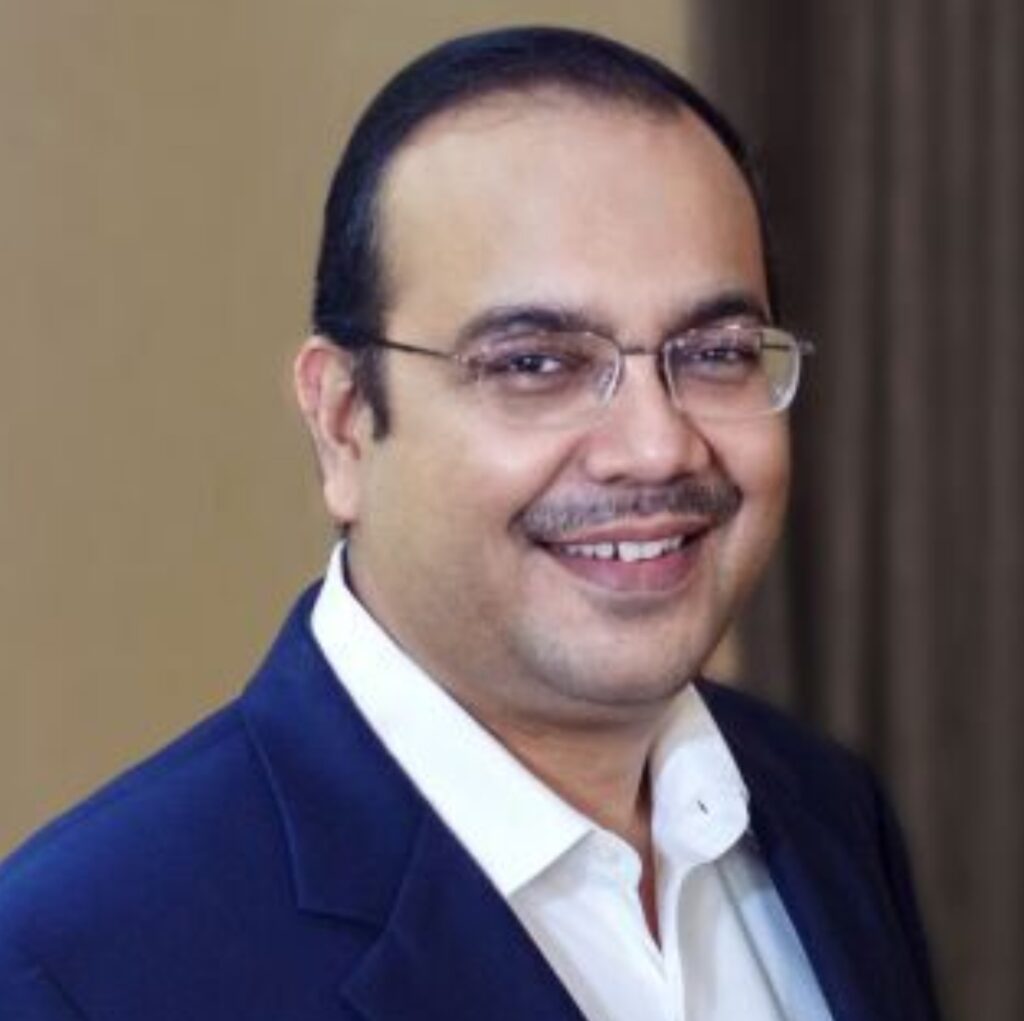
Pallav Jain (SVP & Managing Partner at McKinsey & Company) delivered a keynote titled “Agentic AI Unplugged: What It Really Means for Tech Services.”. The session highlighted that while Generative AI accelerated automation by eight years, Agentic AI—systems that move beyond response to autonomous action—is set to double value creation by 2028.
Key Takeaways for Tech Services Providers
Shift from “Service” to “Outcome”: Providers must move from traditional time-and-material models to outcome-based pricing. As AI automates entire workflows, charging by human effort (hours) will lead to margin erosion; instead, fees should link to measurable business impacts like cost savings.
The “Agentic OS” Architecture: Success requires building a modular architecture that combines planning, memory, and action layers. This “Agentic OS” serves as a platform to orchestrate multiple autonomous agents across different software ecosystems (e.g., a finance agent triggering actions in HR tools).
Emergence of “Service as Software”: The boundaries between software vendors and service providers are blurring. Tech services players are increasingly providing managed agentic solutions—offering custom agent development as a continuous software-led service rather than one-off project delivery.
Human–Agent Hybrid Delivery: Implementation is shifting toward human + AI pods managed through “AI Command Centers”. These hubs track agent performance, handle exceptions, and ensure that human expertise remains “in the loop” for strategic oversight and ethical guardrails.
New Role Archetypes: The transformation demands new skill sets, moving away from manual coding toward roles like AI Orchestrators, Prompt Engineers, and Governance Specialists.
Focus on Trust & Governance: For enterprises to move beyond pilots, providers must implement Compliance-as-Code and transparent oversight to prevent “agent drift” and ensure security in multi-agent environments.

In a keynote at NTLF 2025, Martin Wezowski discussed leveraging technology, particularly AI, to enhance human potential and foster an “empathic symbiosis” between human and machine intelligence. He emphasized purpose-driven innovation that considers systemic connections and shapes relationships and behaviors, urging leaders to prepare for the future while acting in the present.
Martin Wezowski discussed leveraging technology, particularly AI, to enhance human potential and foster an “empathic symbiosis” between human and machine intelligence. He emphasized purpose-driven innovation that considers systemic connections and shapes relationships and behaviors, urging leaders to prepare for the future while acting in the present.
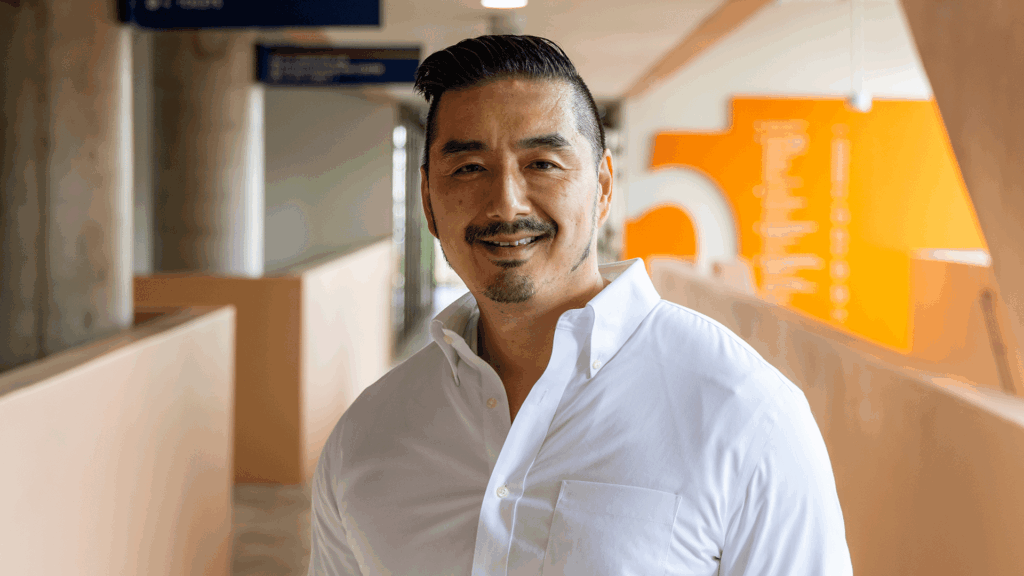
At the NASSCOM Technology & Leadership Forum (NTLF) 2025, Prof. Dean Ho, Director of The Institute for Digital Medicine (WisDM) at the National University of Singapore, delivered a keynote on the future of human longevity. The session highlighted the accelerating capabilities of AI and digital medicine in extending life, while emphasizing that societal, behavioral, and logistical challenges will ultimately determine if a 120-year lifespan becomes a widespread reality.
Here are the key observations and takeaways from Prof. Dean Ho’s session:
1. The “Health Span” vs. Lifespan Paradigm
Focus on Quality, Not Just Quantity: Prof. Ho emphasized that the goal of longevity science should be extending health span—the years lived in good health—rather than just extending the total lifespan. Advancing technology should aim to prevent the “red zone” of frailty and disability associated with extreme old age.
Preventing Disability: The aim is to use AI and regenerative medicine to ensure that the added years are productive and healthy, not simply a prolonged state of sickness.
2. Longevity is Behavioral, Not Just Biological
Choices Shape Lifespan: A major takeaway was that human choices and lifestyle behaviors play a more significant role in determining longevity than genetics alone.
Proactive Management: The future of health is not just about a “magic pill” but about using technology to enable proactive, everyday behavior changes.
3. AI and Digital Medicine: From Theory to Practice
N=1 Trials: Prof. Ho highlighted the shift towards “N=1” (individual-level) studies. Instead of general population trials, AI can analyze an individual’s specific biomarkers to personalize treatments.
Prospective Medicine: The move is from retrospective data (looking at what caused sickness) to prospective, interventional AI (using data to prevent sickness before it happens).
Accessible Personalization: The goal is to make personalized health optimization accessible, not just a luxury.
4. Societal and Ethical Hurdles
The Access Gap: Despite scientific advancements, the major hurdle is democratizing access to longevity therapies. Without equitable distribution, longevity improvements risk increasing societal inequality.
Commercial vs. Ethical Interests: There is a growing concern about the rise of commercial longevity clinics. The industry requires standardized, evidence-based practices to prevent the misuse of new, unproven technologies.
5. The Future Landscape of Aging
Economic Drivers: Age-related chronic diseases are projected to cost $47 trillion by 2030, while increasing life expectancy by even one year is valued at $38 trillion. This economic reality is accelerating investment in the sector.
Intergenerational Health: The future of longevity requires a multi-stakeholder approach involving researchers, clinicians, policymakers, and investors to bridge the gap between science and public application.
Summary of Keynote Focus: The Race to 120 is a contest between scientific capability and societal adoption, with the ultimate victory lying in how society manages, funds, and accesses these advancements to improve the human experience.
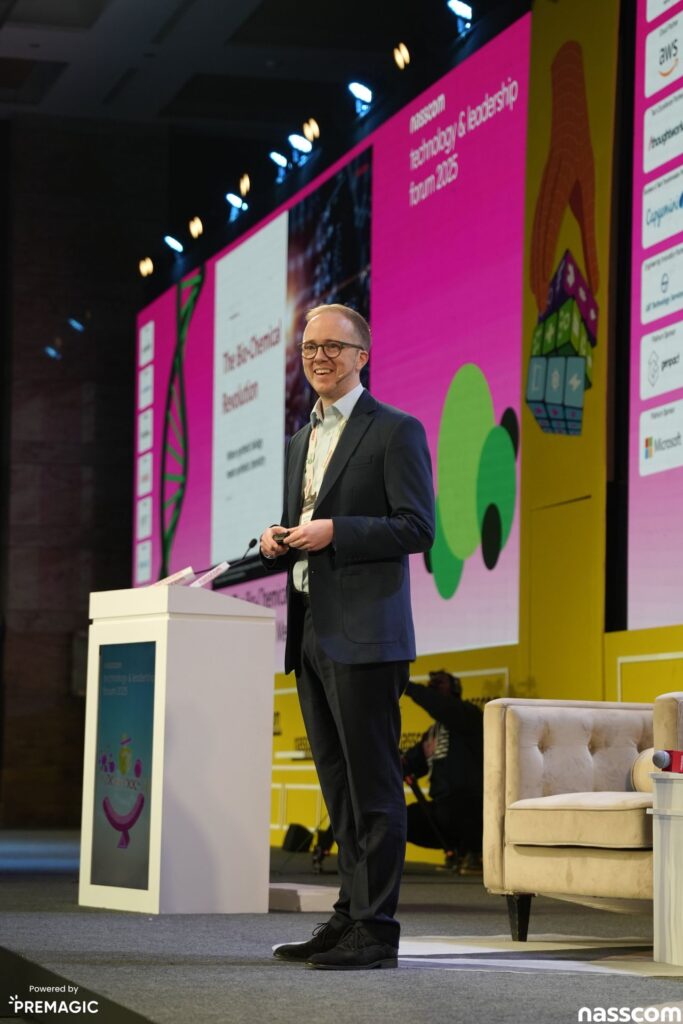
At NTLF 2025, Dr. Stephen Wallace highlights the convergence of synthetic biology and synthetic chemistry as a transformative, sustainable approach to manufacturing. By merging engineered microbes with chemical catalysis, this “bio-chemical revolution” enables the production of next-generation materials, medicines, and fuels, overcoming the limitations of using either discipline in isolation.
Key Takeaways:
Sustainable Manufacturing: Combining biological systems with chemical catalysis allows for more eco-friendly, energy-efficient production pathways compared to traditional industrial processes.
Engineered Microbes: Synthetic biology is used to design and construct microbes that act as cellular factories, performing complex, precise molecular transformations.
Hybrid Approaches: Merging biological and chemical methodologies overcomes the limitations of nature (limited, specific reactions) and allows access to entirely new, synthetic chemical spaces.
Next-Gen Materials & Medicine: The synergy enables efficient, sustainable, and innovative production of advanced fuels, pharmaceuticals, and materials.
Technological Convergence: The future of chemical production relies on the intersection of various disciplines, including biotechnology, biochemistry, and chemical engineering.